
Today’s youth are our agricultural leaders of tomorrow


Agriculture university and college students come together with sponsors at AWC!
Two things make the AWC Student program successful:
- Students who are excited about starting their career path with a blast of inspiration, some great direction, and a network of leaders at their fingertips.
- Industry leaders who will join us in sponsoring and supporting these students and future leaders, giving them the opportunity to attend AWC and reap the benefits.
AWC matches students from agricultural degree and diploma programs across Canada with companies looking to invest in future leaders!
Would you like to sponsor a student to attend AWC?
Leading associations and agribusiness can take pride in supporting these young women and making this opportunity possible. That is what AWC has in store for you.
Call us at 403-686-8407 or email iris@irismeck.com
Are you a student that would like to apply for Sponsorship?
The AWC EAST 2026 Student Application deadline OCTOBER 15, 2026. Complete the registration form below. Thank you to our students—we can’t wait to meet you at the conference!
Applicants + Sponsors
Student EAST 2026 Application
AWC EAST 2026
Today’s youth are out agricultural leaders of tomorrow
University and college students studying agriculture and food are encouraged to submit an application to be sponsored to attend the upcoming AWC conference to connect with industry leaders and other students, and hone their leadership skills.
What does Sponsorship cover?
If you are selected to attend the conference, Student Sponsorship covers:
- Two nights shared accommodations (Sunday and Monday) at the Sheraton Fallsview in Niagara Falls, ON (contact Iris to discuss if you are coming from outside Ontario.)
- Your Registration Fee to attend AWC EAST 2026 conference (including workshops, plenary sessions, reception, banquet, breakfasts, lunches and networking coffee breaks)
What is the Student responsible for?
- Students are responsible for all travel-related and additional expenses incurred, je meals on Sunday. Please plan for this expense prior to submitting your application.
- If required, students should get permission/approval from university and college personnel to attend.
- It is mandatory that sponsored students attend the entire conference. Failure to do so could result in sponsorship being revoked. If sponsorship is revoked, the student will be required to pay all expenses incurred.
- No application will be accepted after the deadline date.
Apply for Sponsorship Online
To complete this form (in addition to your contact information), you will need the following items:
- Your Department Head name and contact information.
- A description of your background, education, and previous work experience (1-2 paragraphs)
- A description of why you are interested in attending the Advancing Women in Agriculture & Food Conference and how you hope the program will benefit your career objective (1-2 paragraphs)
- A video posted to YouTube, under three minutes in length. in the video, describe your background, area of study, career plans, and why you think attending the Advancing Women in Agriculture & Food Conference will be of benefit to your career objective.
- A ‘Profile Photo’ (headshot-head and shoulders, colour photo suitable for publishing). The photo must be at least 250K in file size, to a maximum of 20MB.
*You will not be able to save your form progress – it’s ideal to fill out the form when you have these items ready to submit.*
Deadline for student application as October 15, 2026. Space is limited, applications will be accepted on a first-come basis.
"*" indicates required fields
Student EAST 2026
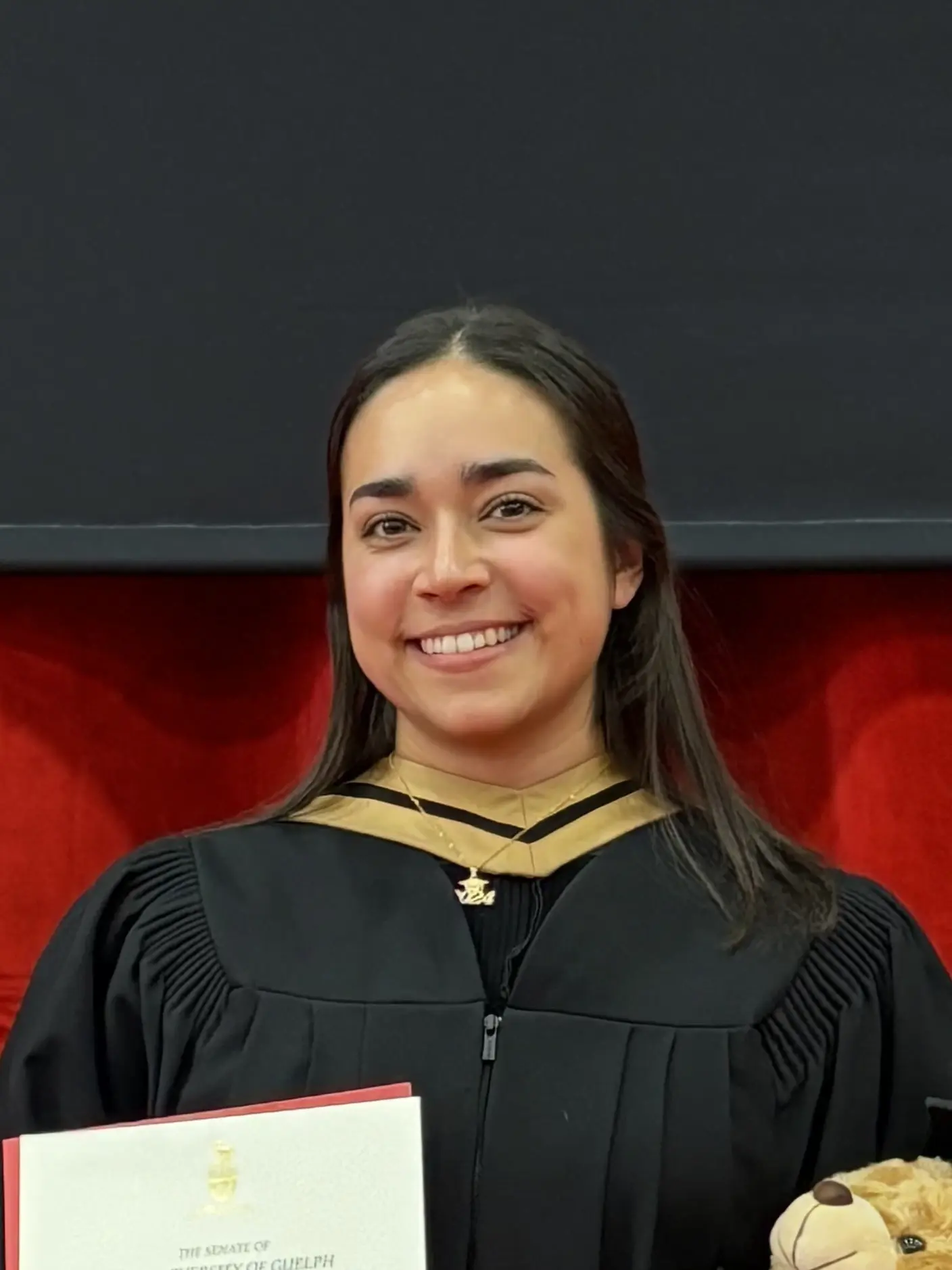
Alejandra Beltran Plascencia
University of Guelph, 2nd year, MSc, Plant Agriculture
I completed my bachelor’s degree as an Engineer in Biotechnology with a full scholarship at the Autonomous University of Guadalajara in Mexico, defending a thesis in improved biological methods for wastewater treatment. In 2023 I moved to Guelph to join the Master of Biotechnology program at UofG, researching proteins involved in the lipid metabolism in Arabidopsis. During the biotech program I got involved in the agriculture department, expanding my interest in this area which motivated me to join the MSc program.
Alongside my academic background I have worked in the food industry both in Mexico and in Canada. I was part of the process improvement and quality control departments of Bimbo Mexico, experiencing audits and leading the production schedule. In Guelph I joined a woman-led local food manufacturer to work on building their supplier certification for Whole Foods Market, ensuring compliance to CFIA. During these stages of my career, I have had the opportunity to see what’s behind the food that nourishes us. Specially, I have seen all the effort that’s put to meet the requirements that ensure a safe final product for the consumers.
Working with horticultural products on my current research I have been able to learn more about the scientific basis of the standards and requirements for maintaining the safety and quality of the food production chain. I believe this work is putting all my previous experience together and allowing me to go one step further in contributing to building a more sustainable and efficient food supply.
My career objective is to contribute to the development of innovative solutions that allow to make the most out of the agricultural resources. Being part of the AWC would be an amazing opportunity to hear different approaches and solutions to the problems that the world is currently facing. It would bring out my leadership skills towards sharing forces with other women that are also building a career in Agriculture. Being in the last year of my degree, this is the perfect for me time to build stronger and meaningful relationships with the current leaders in the area.
When knowledge is turned into a solution that’s when it makes a difference, and the AWC will be the opportunity to gain skills that will allow me to do so. Moreover, it will be a chance to get inspired by the effort other women have put into being noticed, being respected and being recognized for their contributions.
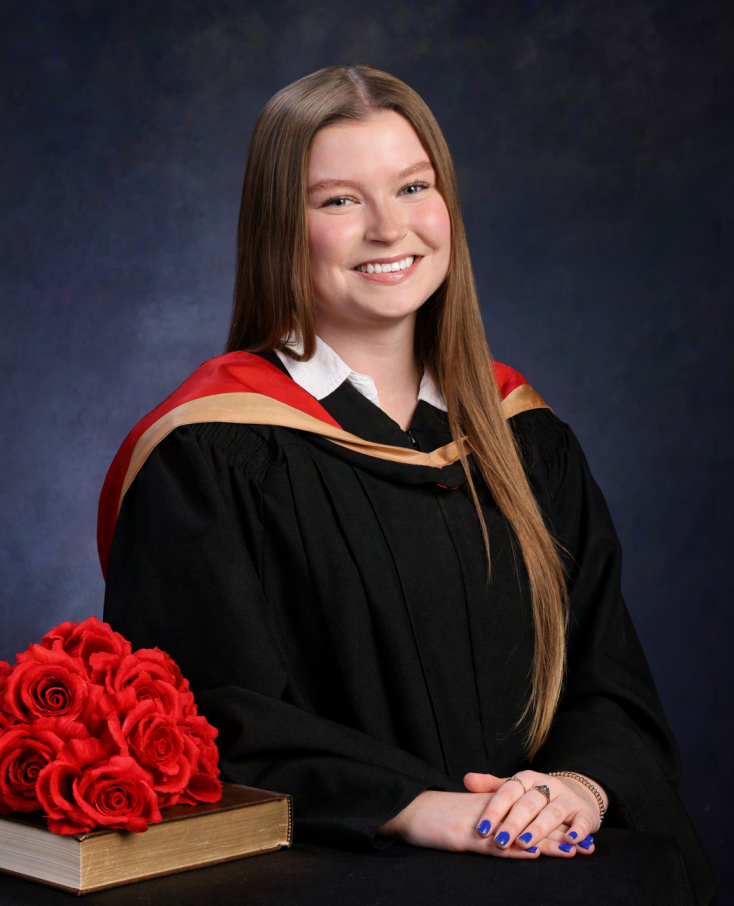
Arianna Carriere
University of Guelph, Master Student/ First Year, M.S.c Plant Agriculture
I recently began my Master of Science in Plant Agriculture at the University of Guelph, where my research focuses on flavonoid biosynthesis and its potential involvement in delaying postharvest senescence. Specifically, I am investigating how flavonols and their antioxidant properties may help mitigate oxidative stress and preserve the quality of harvested produce. This research reflects my broader interest in understanding plant biochemical processes and applying that knowledge to practical agricultural challenges. By combining my background in biochemistry with experience in laboratory and field-based research, I hope to build a career in agricultural research.
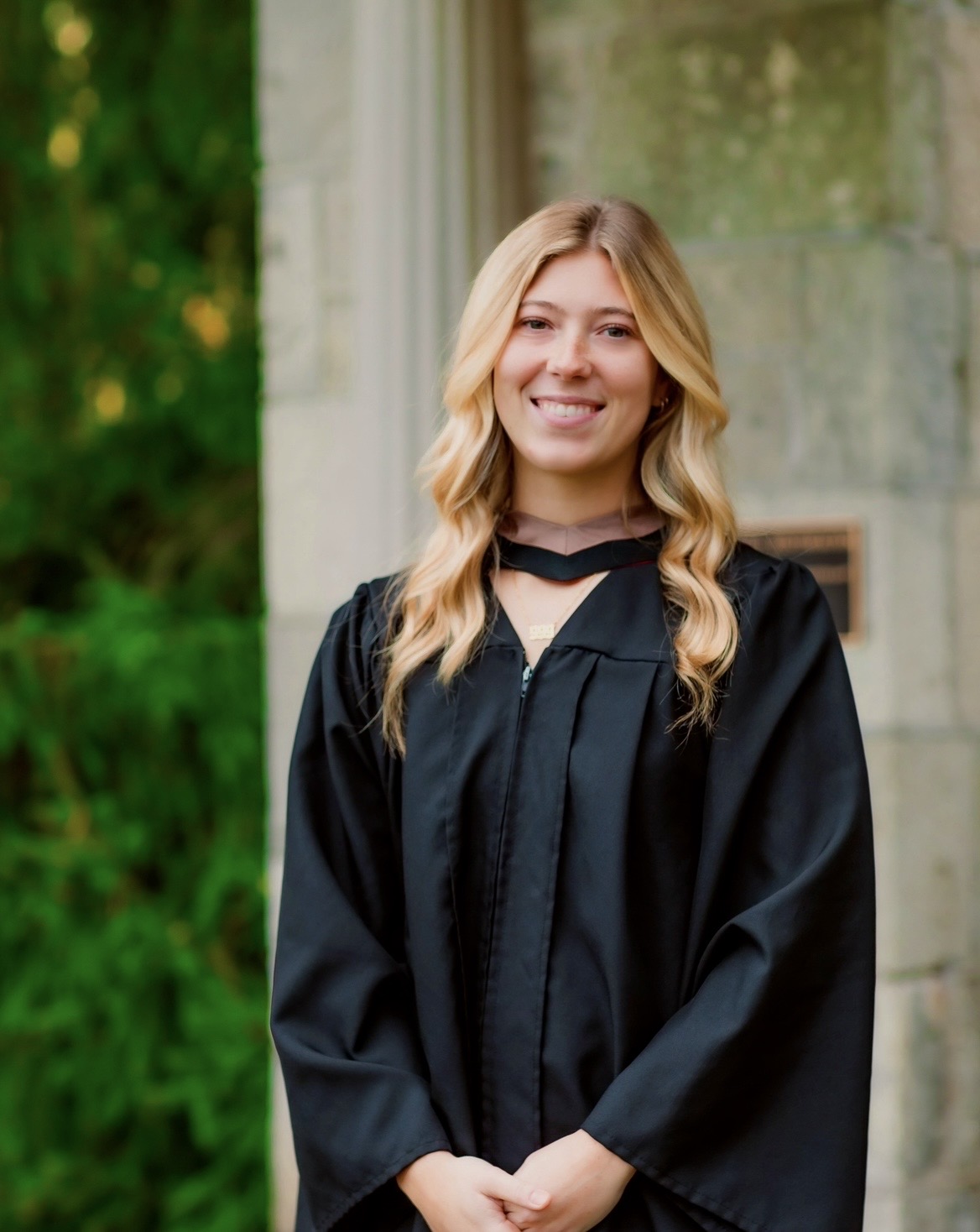
Alexa Shields
University of Guelph, MSc Food, Agriculture & Resource Economics
As part of my graduate studies, I was selected to present the literature review component of my research at the 2026 International Food and Agribusiness Management Association (IFAMA) World Conference in Cork, Ireland. Presenting my work to academics and industry professionals from around the world was an important opportunity to broaden my understanding of the global agriculture and food sector. One of the most memorable experiences from the conference was hearing a representative from LadyAgri Impact Investment Hub speak about their work helping women become more visible, successful, and influential within agriculture and agri-business. Learning about their efforts to connect women entrepreneurs with mentorship, financing, technology, and industry partnerships was particularly inspiring and strengthened my interest in supporting the advancement of women within the agriculture and food sector.
I have also worked as both an Undergraduate and Graduate Research Assistant with the Gordon S. Lang School of Business and Economics. In these roles, I have supported data collection, management and analysis, contributed to the Lang Research Impact Report, and developed research-related content for academic and digital audiences. These experiences have strengthened my analytical, communication, organizational, and collaborative skills.
Prior to beginning my MSc, I completed a Bachelor of Commerce in Management, Economics and Finance at the University of Guelph with a 4.0 GPA. Throughout my undergraduate degree, I competed as a varsity volleyball athlete and served as team captain. Balancing high-level academics with varsity sport required discipline, resilience, time management, and the ability to lead within a team environment.
My leadership experience also extends to my role as Head Coach of the Guelph Gryphons Volleyball Camp, where I was responsible for planning and running the overall camp program, designing schedules and activities, coaching participants, supervising campers and staff, and ensuring the camp operated smoothly in a safe and supportive environment. Together, my academic, research, athletic, and coaching experiences have shaped my interest in leadership and in using research, collaboration, and communication to contribute to meaningful change within the agriculture and food sector.
Advancing women is also something that is personally meaningful to me. During my undergraduate degree in Management, Economics and Finance, I often found myself navigating spaces that felt male-dominated. Excelling academically in that environment taught me the importance of confidence, persistence, and having women represented in positions of expertise and leadership. My experiences in varsity athletics have reinforced that perspective. As a female athlete and team captain, I saw firsthand how women’s sport has often had to fight for the same level of recognition, investment, and legitimacy afforded to men’s sport. Those experiences have made me care deeply about ensuring that women are taken seriously, supported, and given opportunities to lead across different industries.
That interest has become even more relevant as I enter the agriculture and food sector. At the 2026 IFAMA World Conference in Cork, I was particularly inspired by hearing a representative from LadyAgri Impact Investment Hub discuss their work supporting women in agri-business. Their focus on helping women gain access to mentorship, financing, technology, partnerships, and opportunities to lead demonstrated how intentional support can create meaningful change for women throughout agricultural value chains. Hearing about that work made me think more seriously about the role I hope to play as I build my own career in the sector.
I want to learn from women who have navigated these industries successfully, understand the challenges they have encountered, and develop the skills and confidence necessary to become a leader myself. I am particularly interested in connecting with women working at the intersection of agriculture, economics, sustainability, food security, and business, as these areas closely align with my graduate research and long-term interests.
Ultimately, I hope AWC will help me expand my professional network, gain clarity about where my background in economics and food systems can have the greatest impact, and learn from women who are actively shaping the future of agriculture and food. In the long term, I hope not only to build a meaningful career within the sector, but also to become someone who supports, mentors, and advocates for other women pursuing opportunities in agriculture, research, business, and leadership.
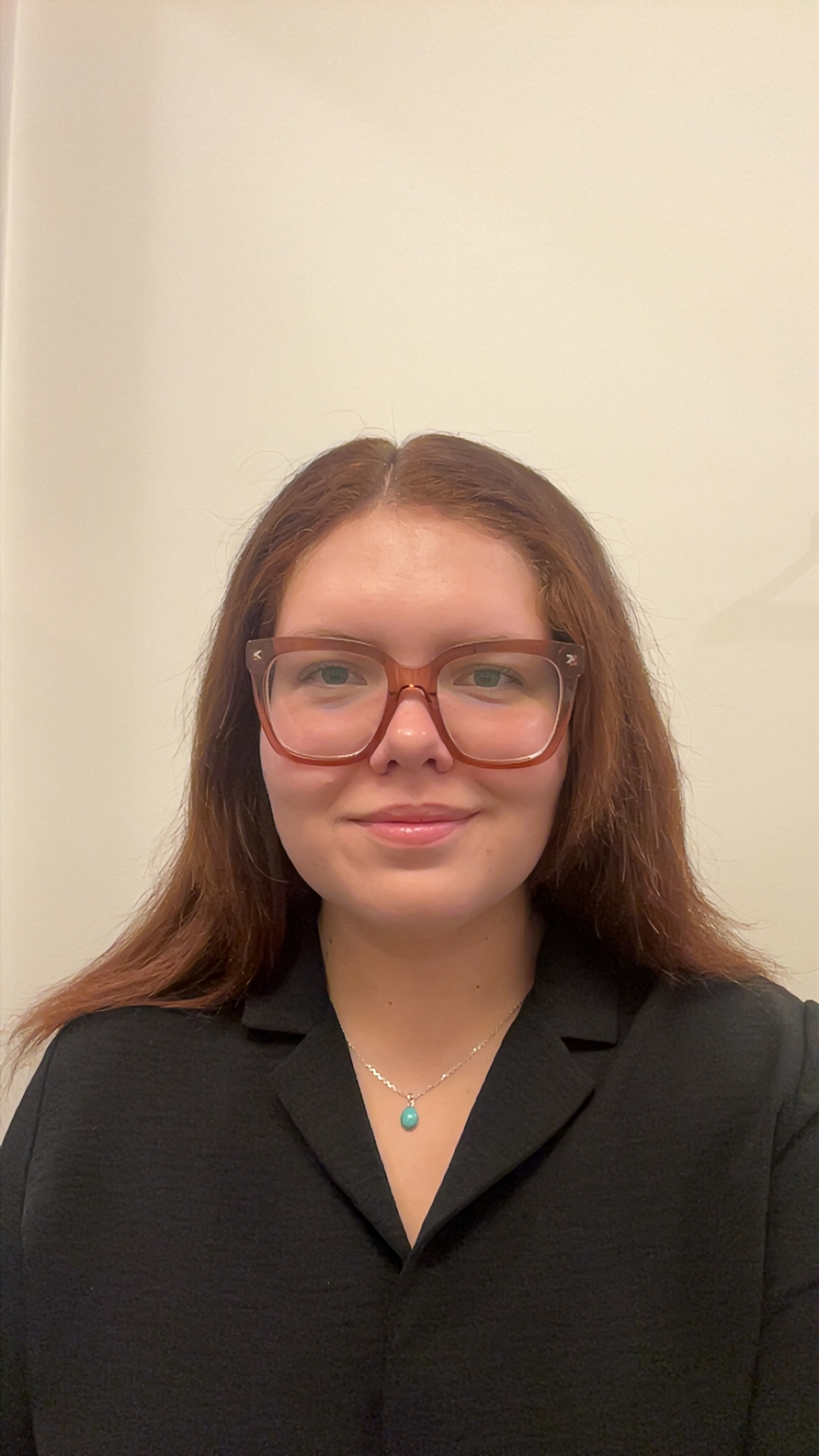
Dakota Slywka
University of Saskatchewan, Last Year, Animal Science
I am currently pursuing my education in agriculture with a strong interest in animal nutrition and livestock production. Throughout my education, I have developed a particular interest in the relationship between nutrition, animal performance, production efficiency, and the economic decisions producers make every day. I enjoy problem-solving and working with numbers, particularly when it comes to balancing diets, evaluating production goals, and finding practical solutions that can improve outcomes for both animals and producers. My long-term goal is to pursue a Master’s degree in animal nutrition and build a career as an animal nutritionist.
My work experience has provided me with a broad understanding of agriculture and the importance of communication, responsibility, and working directly with people. I have gained experience working in agricultural and rural environments, including ranch and livestock-related settings, as well as customer-service and business roles. These experiences have strengthened my ability to work independently, communicate with a wide range of people, and understand the practical challenges faced by those working in agriculture. I hope to continue combining my academic knowledge with hands-on experience as I build a career within the agriculture industry.
I am interested in attending the Advancing Women in Agriculture & Food Conference because I want to learn from women who are actively contributing to and shaping the future of agriculture. As I prepare to pursue graduate studies in animal nutrition, I believe that exposure to a diverse group of agricultural professionals, researchers, producers, and industry leaders would provide valuable insight into the many career opportunities available within the industry. I am especially interested in developing my leadership and professional skills while building relationships with women who have navigated careers in agriculture and can offer different perspectives and experiences.
Attending the conference would help me take an important step toward my career goal of becoming an animal nutritionist. I hope to gain knowledge that I can bring into my graduate studies, develop a stronger professional network, and become more confident in communicating my ideas and expertise within the agriculture industry. I also want to learn how other women have built successful careers in agriculture and identify ways that I can contribute to the industry in the future. I see this opportunity as a chance not only to advance my own career, but also to grow into a professional who can provide practical, science-based solutions that help producers meet their animal health, production, and economic goals.
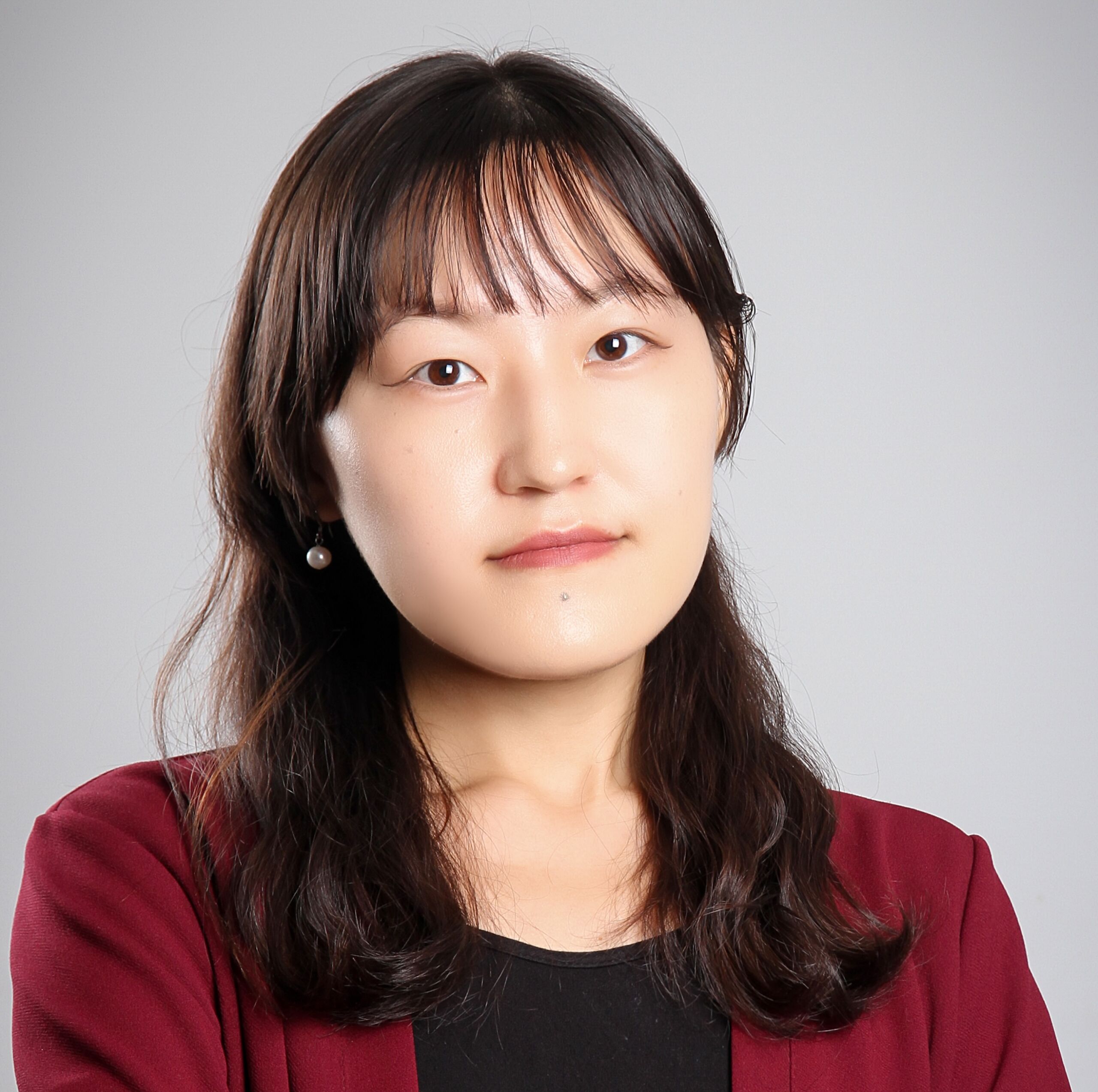
Erdenesuvd (Erin) Baterdene
University of Guelph, Full-time/1-year program, MSc
I have about 10 years of experience across food, industry, education, and sustainability. As a process engineer at APU LLC, one of Mongolia’s largest food and beverage companies, I formulated three new dairy products: butter, ice cream, and cheese. That work sparked my lasting interest in how agricultural raw materials become safe, high-quality food. I later worked as a chemist formulating natural personal-care products, and as a process engineer at Mongol Refinery, where I designed a diesel hydrotreating unit and developed and translated the refinery’s safety manuals into Mongolian.
From 2018 to 2020, I worked as a freelance safety engineer with Precious Plastic in the Netherlands, an international open-source plastic recycling community. I developed educational materials on working safely with plastic fumes for recyclers worldwide. The experience strengthened my commitment to health, safety, and sustainability, and it showed me how practical, accessible knowledge can protect people globally.
Education and community work have been a constant thread. I taught chemical engineering to third- and fourth-year students at the New Mongol Institute of Technology, and I coordinated the Youth Sustainability Corps program at Mongol Ecology NGO. In 2023, I founded Daily Learning Lab, an online learning platform that has served more than 1,000 students and reaches about 100,000 people on social media.
My goal is to combine my engineering background with food safety expertise and contribute to safer, more resilient agri-food systems in Canada and Mongolia.
Agriculture and food are close to home for me. In Mongolia, livestock and dairy are central to daily life and the economy. My first role after graduating was formulating dairy products, and it showed me how much farm practices shape the safety and quality of the food that reaches consumers. That experience led me to the MSc in Food Safety and Quality Assurance at the University of Guelph.
After graduating, I want to work in food safety, ideally in government or applied research. I am especially interested in lab-based work such as mycotoxin and fungal contamination in crops, which connects the farm to the consumer. As a newcomer to Canada, I am still building my understanding of Canadian agriculture and my professional network. AWC would give me the chance to learn directly from women leading farms, agribusinesses, and public institutions, to understand the industry’s current challenges, and to meet mentors who have built careers in this sector.
I also hope to strengthen my leadership skills. As the founder of Daily Learning Lab, I plan to create food safety courses for the public in Mongolia, and I want to bring back the knowledge and inspiration I gain at AWC. I would be proud to help more women see themselves as leaders in agriculture and food.
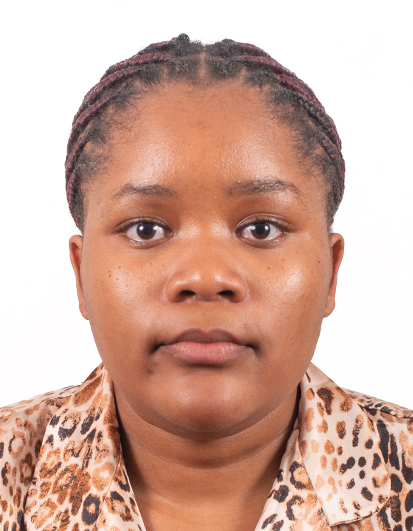
Esther Nyalundja
University of Guelph, 1st year, Master in Food, Agriculture, resources and economics
My professional journey has allowed me to experience agriculture from different perspectives. I have worked in agribusiness, including an internship in Tanzania where I supported farmers and worked on farm business and financial analysis. I have also gained experience with the Global Landscapes Forum (GLF), where I have been exposed to international development, coordination, and administrative work.
One of the experiences that has shaped me the most was starting an initiative in the DRC to support displaced families, particularly women, through hydroponics and vertical farming. The project showed me firsthand how agriculture can be much more than food production; it can provide hope, income, independence, and dignity to families going through very difficult circumstances.
These experiences are a big part of why I decided to continue my education in agricultural and resource economics. I want to better understand the economic and business side of agriculture and eventually use both my education and practical experience to contribute to stronger and more inclusive agri-food systems.
My journey in agriculture has taken me through different experiences, from working with communities and women affected by displacement in the DRC to gaining experience in agribusiness and now pursuing my Master’s in Food, Agricultural and Resource Economics at the University of Guelph. Through these experiences, one thing has remained clear to me: I want my career to have an impact, especially in creating opportunities for women and contributing to stronger food and agricultural systems.
What excites me most about this conference is the opportunity to be in a room with women who have already walked different paths in agriculture. I want to hear their stories, learn from their successes and challenges, ask questions, and discover career possibilities that I may not even know exist yet.
I hope this experience will help me gain more clarity about my own career direction, build genuine relationships with women in the industry, and give me the confidence and knowledge to take the next steps in my career. I also hope that, as I grow professionally, I can use what I learn to create opportunities for other women, particularly those coming from communities where opportunities in agriculture are still limited.

Eugenia Esinam Dzokoto
University of Guelph, First year, Food Agricultural and Resource Economics
My academic interests center on applying economic and quantitative methods to real-world challenges, particularly those related to food, agriculture, resource economics, and public policy. My training has provided me with experience in economic analysis, research, and quantitative tools.
In addition to my academic background, I have professional experience across the energy and financial services sectors in Ghana, including roles with GOIL Ghana and internships in banking and insurance. These experiences have complemented my academic training by providing practical exposure to administrative operations, financial services, and working within diverse professional environments.
My broader interests lie in using economic research and evidence-based analysis to better understand policy challenges and contribute to practical solutions in food systems, agriculture, and resource management.
What excites me most about this conference is the opportunity to hear directly from women about their experiences, including how they found their place in the industry, the challenges they faced, and the decisions that shaped their careers. At this stage of my own journey, I believe those conversations would be particularly valuable. I would also appreciate the chance to meet other women with similar interests and build relationships that can continue beyond the conference.
My career goal is to use my training in economics and research to contribute to better decisions and policies within food and agricultural systems. I hope the conference will expose me to different career paths, help me understand where my skills can have the greatest impact, and connect me with people whose experiences I can learn from. Most importantly, I hope to leave with a clearer sense of how I can turn what I am learning now into work that makes a practical difference in the agricultural sector.
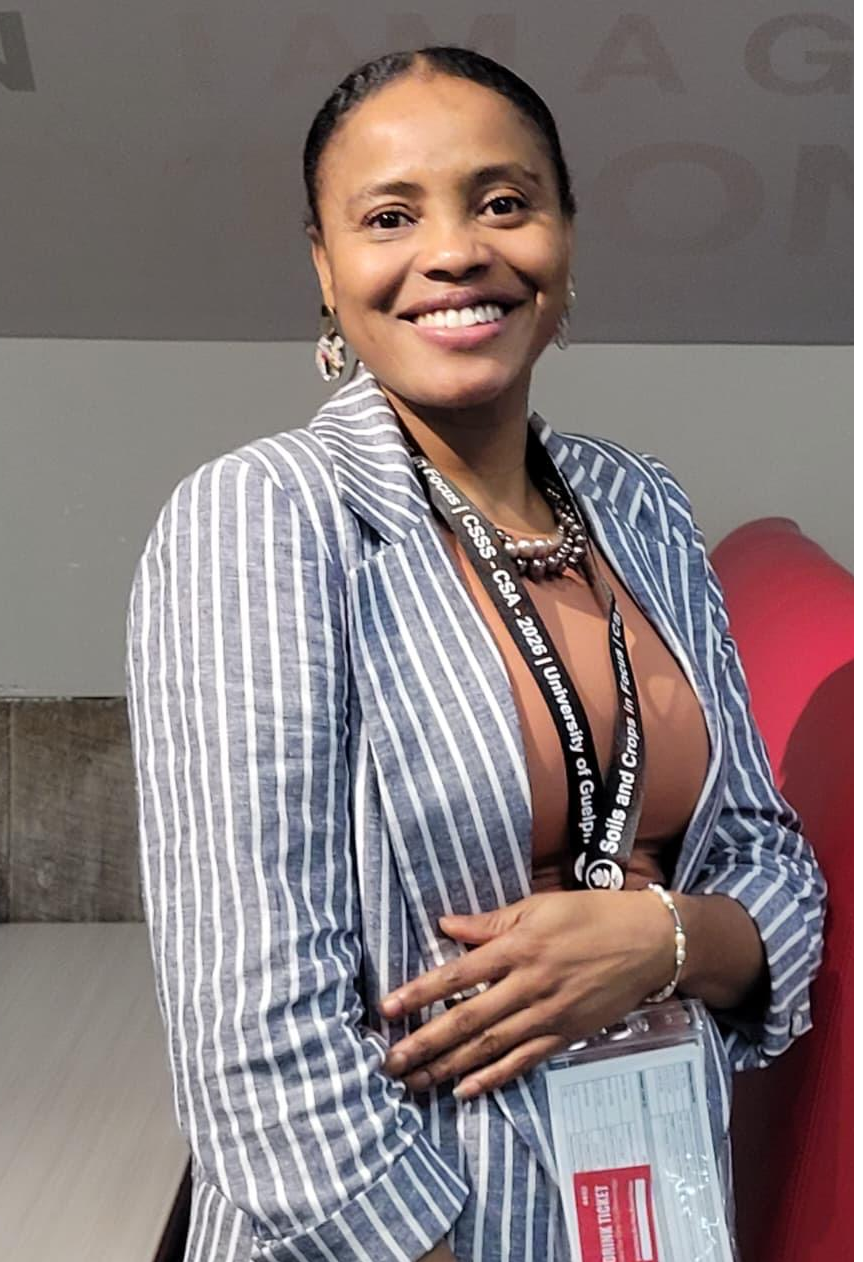
Francoise Jean Baptiste
University of Guelph/ Ontario Agriculture College, PhD candidate/ third year, Food Science
I am currently pursuing a PhD in Food Science at the University of Guelph, where my research investigates the effects of heat stress on plant growth, grain composition, and processing quality of Ontario-grown soft winter wheat. My decision to pursue this research was motivated by growing concerns about climate change and its consequences for global food systems. Beyond threatening agricultural productivity, climate-related stresses can also influence crop quality, functional properties, and the performance of raw materials during food processing. Through my research, I aim to generate knowledge that can support farmers and food manufacturers in adapting to changing environmental conditions, inform evidence-based agricultural and food policies, and contribute to a more resilient food supply. Alongside my research, I have gained teaching and mentoring experience as a teaching assistant in agriculture and food science courses and have actively shared my findings through scientific conferences and outreach activities. In 2026, I received the Best Oral Presentation Award at the Canadian Society of Agronomy and Canadian Society of Soil Science Joint Annual Meeting. My experiences have reinforced my commitment to becoming a researcher and educator who connects scientific discovery with practical solutions that benefit the agricultural sector, food industry, and society.
Attending the Advancing Women in Agriculture and Food Conference would be an important opportunity to strengthen my leadership skills, expand my professional network, and learn from women who are driving innovation and meaningful change across the agricultural and food sectors. Having worked in agricultural research in Haiti, plant biotechnology in Taiwan, and food science in Canada, I have developed an appreciation for the importance of collaboration, knowledge sharing, and connecting scientific discoveries with practical needs. I am particularly interested in learning how successful women leaders navigate challenges, build partnerships, and translate innovative ideas into real-world solutions. My long-term career goal is to become a researcher and educator who bridges the gap between scientific research, industry, and agricultural communities while contributing to sustainable and climate-resilient food systems. I believe this conference will provide valuable mentorship, inspiration, and professional connections that will help me grow into a more confident and effective leader, capable of turning scientific knowledge into meaningful contributions to agriculture, food production, and society.
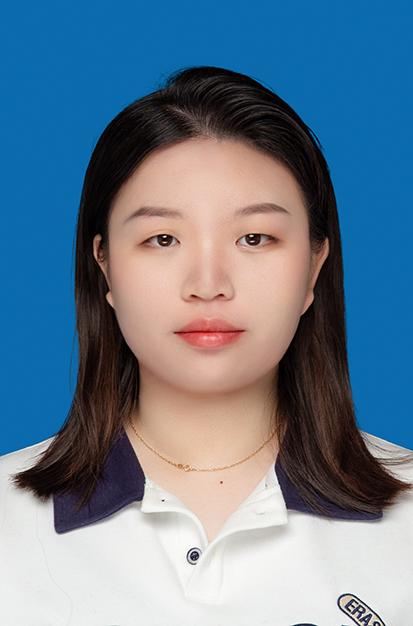
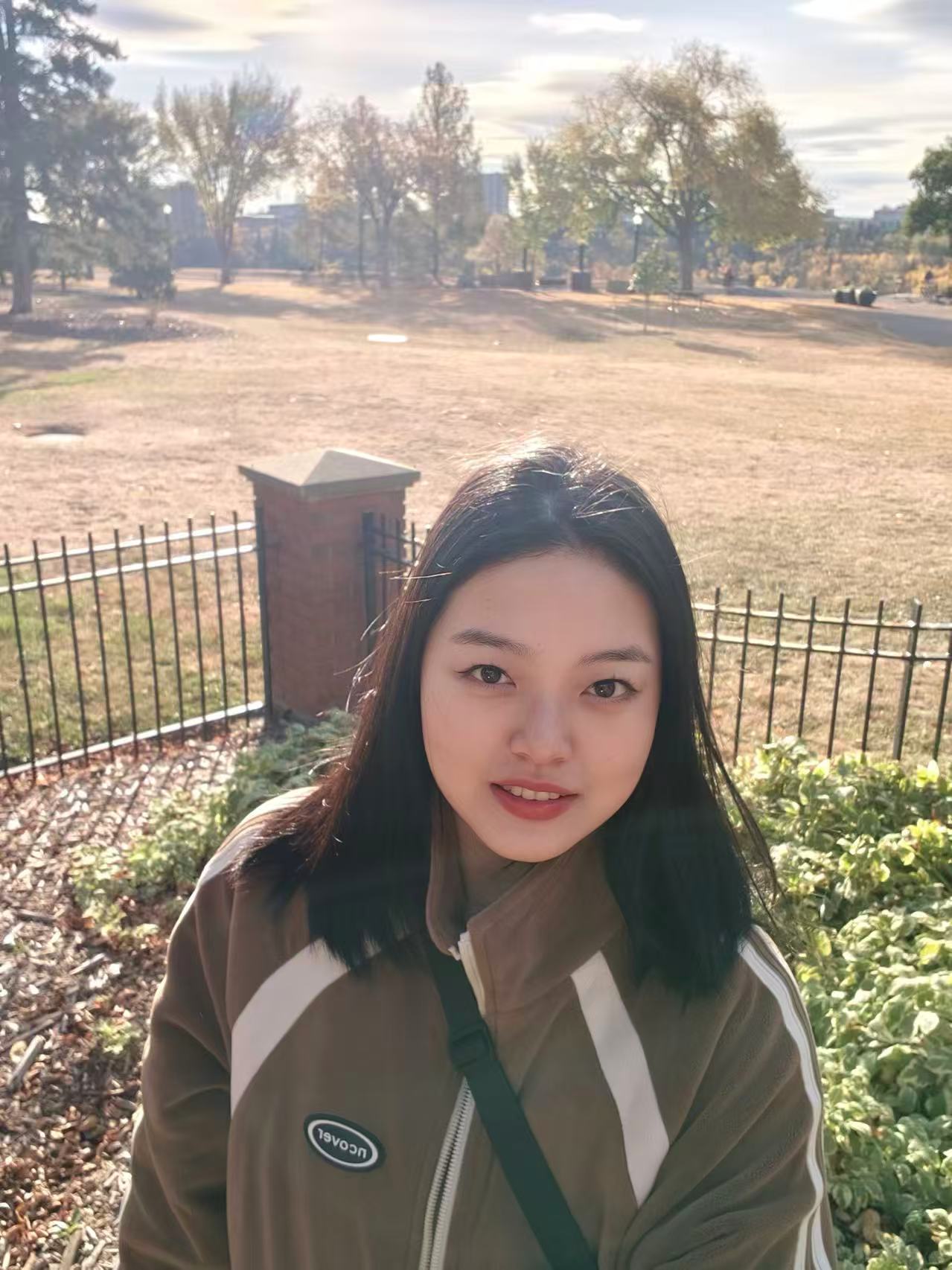
Ge Zhang
University of Manitoba, Visiting PhD Student, PhD in Soil Science
Jing Xiong
University of Alberta, PhD Student, Food Science and Technology
I am an international PhD student in Food Science at the University of Alberta. Growing up in the countryside of Hubei Province, China, where my family cultivated a small plot of land to grow our own vegetables, I developed a deep, natural affinity for agriculture and plant science from an early age. Driven by this interest, I pursued a Bachelor’s degree in Bioengineering at Hubei University of Technology, building a solid foundation in microbiology and industrial fermentation.
In my final undergraduate year, I was honored to receive a full scholarship to come to the University of Alberta, initially studying in the Department of Physiology. However, through my coursework and research, I realized that my true calling lay in applied science—research with direct, real-world utility that meaningfully benefits the industry. This conviction led me to transition my major to Food Science.
Today, my PhD research focuses on developing advanced detection methods for major foodborne pathogens, such as Shiga toxin-producing E. coli (STEC). I am deeply passionate about bridging cutting-edge methodology with practical food safety challenges, and I am eager to dedicate my career to advancing this field.
As a fourth-year PhD student who transitioned into Food Science a year ago, I am at a pivotal stage in shaping my post-graduation career. Discovering the Advancing Women in Agriculture & Food Conference was deeply inspiring—it is the first conference I have encountered that specifically brings together women across the agriculture and food sector. I look forward to hearing about the experiences and career journeys of women in the field and gaining perspectives that I cannot gain through academic training alone.
I am particularly eager to attend AWC to broaden my perspective on current industry priorities and better understand how academic research can connect with real-world food safety challenges. Furthermore, I look forward to networking, exchanging ideas, and building meaningful connections with peers and industry professionals.
Although my journey in Food Science is relatively recent, my commitment to bridging research and practical application is strong. I hope AWC will provide me with valuable perspectives, guidance, and connections that can help me explore different career paths and gain greater clarity as I translate my academic and research experience into an impactful career in the agriculture and food sector.
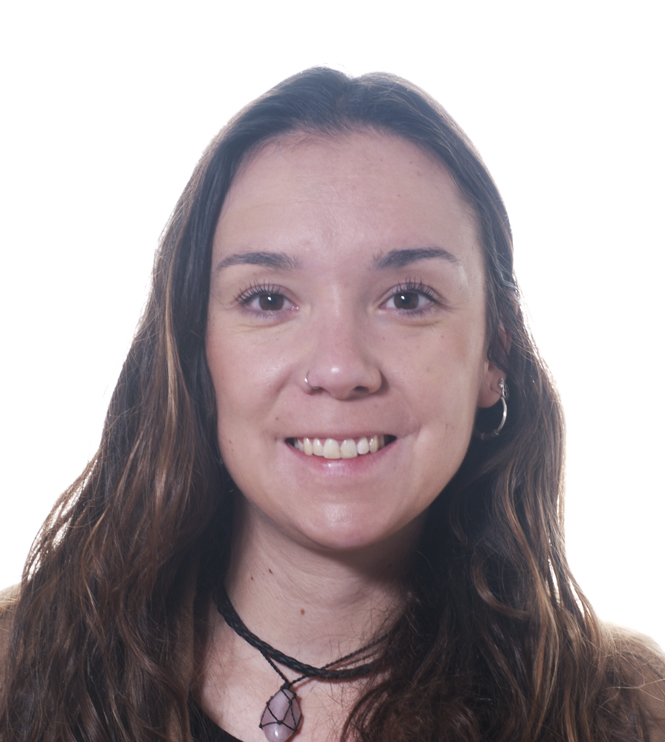
Lucía Jiménez Montenegro
University of Guelph, Postdoctoral Researcher, PhD, Professor, Interim Department Chair
My international research experience at the University of Guelph has broadened my work from dairy cattle genetics and milk quality toward sustainable livestock production. I currently contribute to a multidisciplinary research project investigating host genetics, the rumen microbiome, and productive traits in beef-on-dairy cattle, with the goal of identifying genes associated with improved feed efficiency and reduced methane emissions. Alongside my research, I currently work as a Temporary Professor at UPNA, where I teach Animal Biotechnology and Biotechnology Applied to Meat Quality, expanding my experience in university teaching and student training. Throughout my career, I have disseminated my research through scientific publications and presentations at national and international conferences, including the European Federation of Animal Science (EAAP) Annual Meetings and the World Congress on Genetics Applied to Livestock Production (WCGALP). These experiences across academia, industry, and international research environments have given me a multidisciplinary perspective on livestock production and the role of science and innovation in addressing the challenges facing the sector.
I hope the program will help me expand my professional network, build meaningful connections with women working across academia and industry, and learn from the challenges they have encountered throughout their careers. Beyond networking, I see the conference as an opportunity to continue growing professionally and to develop skills that will be important for my future, particularly in leadership and communication.
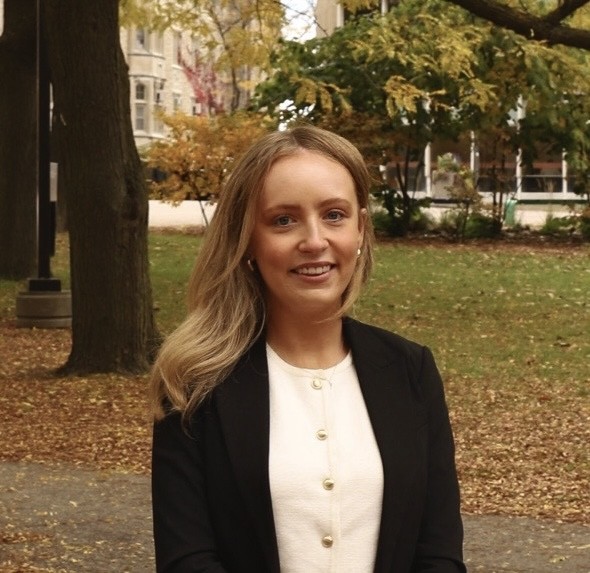
Peyton Nailor
University of Guelph, Masters of Science, Plant Agriculture, Hugh Earl, Chair of Plant agriculture
Peyton Nailor is a Master of Science student in Plant Agriculture at the University of Guelph, where she is conducting research on corn nitrogen management and computational modelling under the supervision of Dr. Adrian Correndo. She completed her Bachelor of Science in Agriculture at the University of Guelph in April 2026. During her undergraduate degree, Peyton led a Grain Farmers of Ontario-funded research project investigating soybean micronutrient deficiencies and developing improved tools to identify and manage nutrient deficiencies.
Peyton has gained diverse experience across the agricultural industry. She spent two years with Syngenta, working directly with farmers while supporting sales, research, marketing, and product development initiatives. She previously worked with Bayer CropScience on fungicide and seed treatment research and currently works with the Golden Horseshoe Food and Farming Alliance, where she develops written and media content that connects farmers, food businesses, researchers, policymakers, and the broader community.
Alongside her professional experience, Peyton has been actively involved in agricultural leadership at the University of Guelph, including through the OAC Leadership Conference Council, OAC Graduate student council and the Canadian Agri-food Marketers Alliance. She is passionate about connecting people and ideas across the agricultural sector and using research, communication, and collaboration to help build a more sustainable and resilient future for Canadian agriculture.
I am interested in attending the Advancing Women in Agriculture Conference because I am at an important stage in developing my career in agriculture. Through my undergraduate degree, I have gained experience in agricultural research, sales, marketing, communications, and working directly with farmers. I am now continuing my education through a Master of Science in Plant Agriculture, where I am developing expertise in statistics, computational modelling, and corn nitrogen management.
My career objective is to build a fulfilling career in agriculture where I can combine these experiences and work collaboratively toward solutions that help farmers grow their best crop. Attending this conference would give me the opportunity to learn from women working across different areas of agriculture and gain a broader understanding of the career paths and opportunities available within the industry.
I am particularly interested in developing my confidence as a young woman entering the agricultural workforce and learning from women who have navigated similar stages in their careers. I also hope to build meaningful professional relationships with other women in agriculture and learn how they have developed careers that are both successful and personally fulfilling.
I believe the connections, perspectives, and mentorship I gain through the Advancing Women in Agriculture Conference will help me make more informed decisions about my career direction and give me the confidence to pursue opportunities where I can make a meaningful contribution to Canadian agriculture.

Reena Pabla
University of Guelph, Second year, Animal Biology
I am a second-year Animal Biology student at the University of Guelph, with the goal of pursuing a career in veterinary medicine or animal rehabilitation. My interest in animal health and welfare has shaped my academic interests, and an agriculture course I took last semester introduced me to a new perspective on the agricultural industry through farm visits and tours. Given that I grew up in the GTA, I hadn’t been exposed to the agriculture field before this course. These experiences sparked my curiosity and encouraged me to learn more about the connection between animal welfare and agriculture.
Outside of academics, I have developed valuable leadership, communication, and interpersonal skills through my work and volunteer experiences. At Metro, I run the floral department by working as a part-time florist. This has strengthened my organizational skills, ability to work in a fast-paced environment, and my ability to communicate effectively with diverse customers and team members. I also worked as a supervisor at the Grove Youth Wellness Centre throughout high school, where I learned the importance of being a good listener, understanding different perspectives, and creating a welcoming environment. I currently volunteer independently with the cats at the Guelph Humane Society every week, reflecting my continued commitment to animal welfare and community involvement outside of my studies.
Through these experiences, I have developed a strong sense of responsibility, empathy, and adaptability. I look forward to continuing to learn, building new connections, and exploring how my interests in animal health and welfare can contribute to the agricultural community.
I am interested in attending the Advancing Women in Agriculture Conference because I see it as an opportunity to expand my understanding of the agricultural industry, connect with women from diverse backgrounds, and learn from those who have built careers in the field.
Having lived in a city for most of my life, my introduction to agriculture through my university coursework and farm visits was an eye-opening experience. It exposed me to an area I had not previously explored and sparked my interest in becoming more involved. I would value the opportunity to hear about the experiences of women in agriculture, learn about the challenges and opportunities within the industry, and gain new perspectives from professionals with different career paths.
As I work toward a future in veterinary medicine or animal rehabilitation, I hope to make a meaningful difference in the lives of animals and contribute to improving their health and welfare. Animals give us their complete trust and depend on us for everything; because their well-being rests entirely in our hands, I feel a deep, personal responsibility to protect them and give them the compassionate, high-standard life they deserve. I also believe understanding agriculture is an important part of this, as animal care and welfare are closely connected to the people, practices, and systems within the industry. Attending AWC would allow me to learn from experienced professionals, build meaningful connections, and gain new perspectives that will help me work toward my career goals. Ultimately, I hope to use what I learn to make a positive and lasting impact in the animal world.
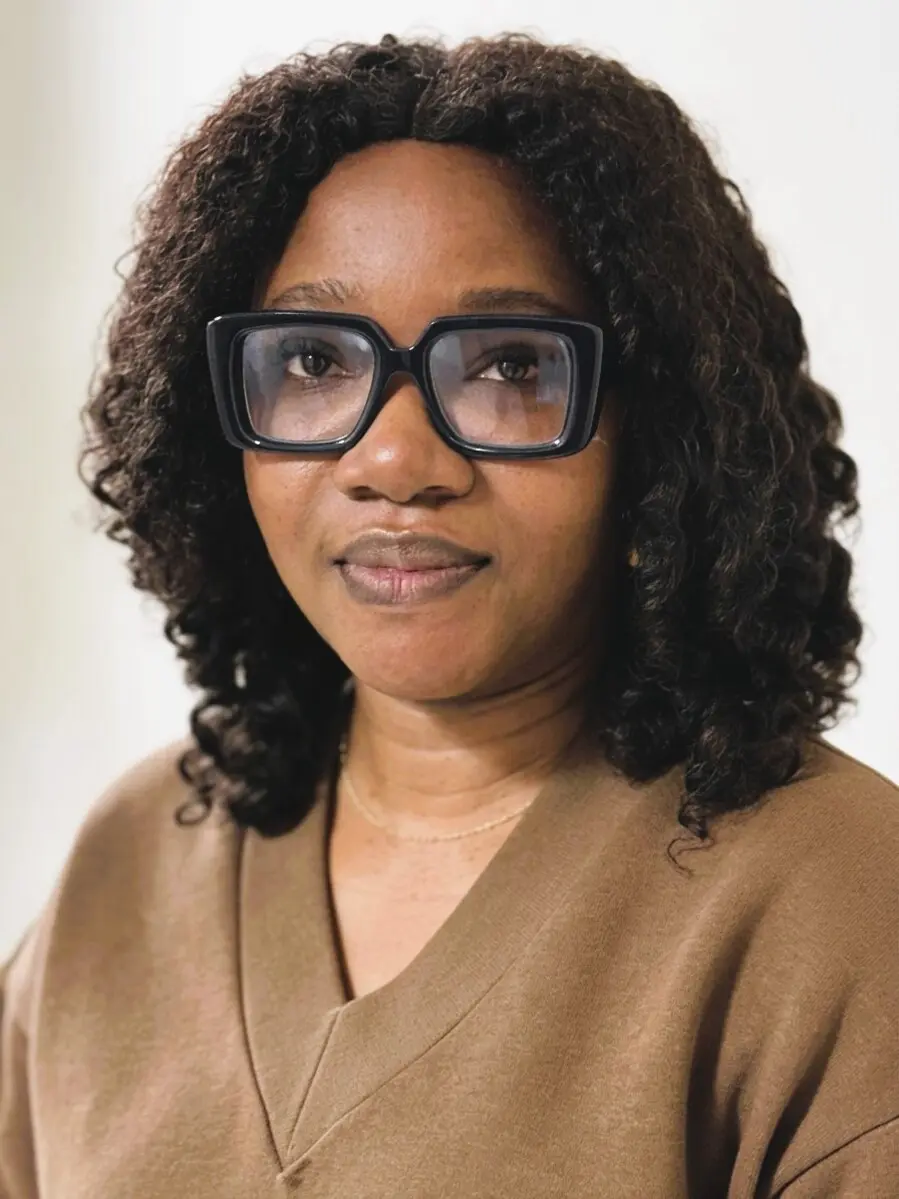
Uduak Ita Edet
University of Guelph, Rural Studies, 4th-year PhD Candidate
Her research interests focus on interdisciplinary approaches that reduce climate impacts and improve resilience, including technology adoption in rural communities, information disorder in the agri-food sector, and climate-smart investments.
Uduak’s Ph.D. research examines artificial intelligence (AI) tools, particularly the responsible integration of generative AI in agricultural extension and advisory services. The study also addresses potential ethical concerns, including access, trust, agri-food misinformation, and the capacity required to adopt these technologies in rural communities.
Her work has involved conducting interviews, surveys, and focus group discussions with stakeholders across the agricultural sector to better understand perspectives on technology adoption and innovation. Prior to this, she gained experience in sales and marketing, agricultural lending, research, and client relationship management, developing a multidisciplinary perspective on communication and learning.
She is interested in leveraging data and user insights to inform decision-making, tool design, and knowledge sharing within the agricultural sector. Uduak is also involved in volunteer initiatives focused on community engagement and outreach for World Pulse (An action media network powered by women from 190 countries). She supports other women leaders/entrepreneurs through capacity-building avenues that encourage women to take a stand for positive action in their societies.
What interests me most about AWC is the opportunity to hear directly from women working across the agriculture industry. Bringing together women from different backgrounds, roles, and experiences offers a unique perspective on the sector. It provides context for the challenges and opportunities that exist within the industry and creates room for conversations that might not otherwise happen. Hearing these diverse experiences will broaden my understanding of agriculture and the people who contribute to it.
I also look forward to connecting with leaders and peers, learning from their experiences, and growing my professional network. My hope is to apply the lessons and perspectives that I gain from the conference to my personal and professional development as I move forward in agriculture.

Ujomonigho (Omo) Omoregie/h1>
University of Guelph, PhD Candidate/5th year, Plant Agriculture
Prior to beginning my studies at the University of Guelph, I earned an undergraduate diploma in Applied Microbiology, a BSc in Botany, and an MSc in Genetics, all from the University of Benin, Nigeria. I subsequently worked as a lecturer at the University of Benin before pursuing further studies at Wageningen University & Research (WUR) through the Netherlands Fellowship Programme. I then relocated to Canada.
My PhD research focused on elucidating the genetics of resistance to bacterial brown spot and other important agronomic traits in adzuki bean. Through this work, I identified molecular markers that show promise for accelerating the development of elite adzuki bean varieties with improved resistance to bacterial brown spot. I am excited by the potential impact of this research on crop improvement and sustainable agriculture.
Thanks to the generosity of the organizers and student sponsors, I have had the opportunity to attend AWC in the past. Without question, it was one of the most impactful conferences I have ever attended.
AWC provided me with a profound sense of belonging and psychological safety by placing me in the company of accomplished women from diverse fields who genuinely cared about supporting and empowering early-career women. As someone who grew up in the city and entered the field of agriculture, I often struggled with imposter syndrome. Attending AWC helped me overcome those feelings and develop greater confidence in my place within the agricultural community.
Beyond the inspiring speakers and sessions, AWC enabled me to build meaningful connections and friendships that have become an important part of my professional network. These relationships continue to enrich both my personal and professional growth.
As I enter my final semester, I can’t think of a better time to attend AWC. The conference would provide invaluable knowledge, mentorship, and inspiration as I prepare to transition into the next stage of my career. It would also offer a unique opportunity to strengthen my professional network and establish meaningful connections that may lead to future career opportunities.
Yexia Guan
University of Alberta, PhD Student, Food Science and Technology
I am currently a PhD student in Food Science at the University of Alberta, where my research focuses on the microbial safety of plant-based fermented foods. My current project investigates the survival of E. coli surrogates during the fermentation and ripening of plant-based cheese alternatives, with further work extending toward the validation of foodborne pathogens such as EHEC and Salmonella. Through this research, I hope to contribute to the development of safer and more sustainable plant-based food products.
I completed my undergraduate studies in Food Science and Engineering at Hubei University of Technology in China. During my undergraduate training, I conducted research on lactic acid bacteria fermentation, peanut protein functionality, and the valorization of peanut meal. I contributed to peer-reviewed publications in Food Frontiers, Journal of Future Foods, and LWT, participated in an invention patent, and led a national undergraduate innovation and entrepreneurship research project. I also took part in several national and provincial food science competitions, which strengthened my teamwork, communication, leadership, and problem-solving skills.
As a young woman pursuing a PhD in food science, I see AWC as a valuable opportunity to grow beyond my technical research training and develop the professional skills needed for my future career. While my doctoral studies are helping me build expertise in food microbiology and food safety, I would also like to strengthen my leadership, communication, networking, and career development skills.
I am particularly interested in learning from women working across agriculture, food research, and industry, and hearing about the different career paths available beyond graduate school. Connecting with students, researchers, and industry professionals would help me better understand how scientific research can be translated into real-world impact and how I can prepare for a future career in the agri-food sector.
I also hope to build a supportive professional network with other women at similar stages of their careers. I believe participating in AWC would broaden my perspective, strengthen my confidence as an early-career researcher, and help me become a more effective scientist and future leader in the food and agriculture sector.